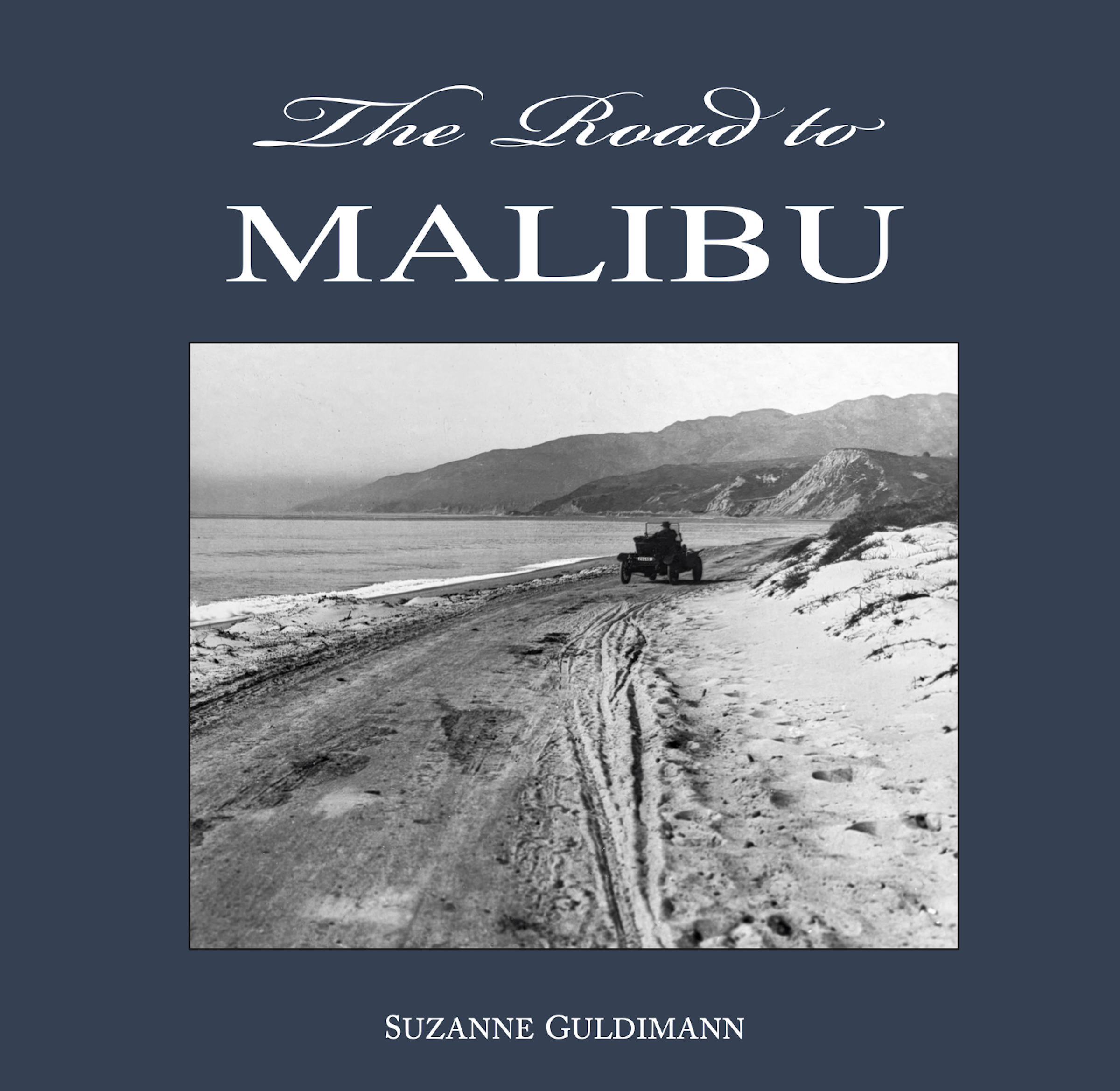
The Road to Malibu. Suzanne Guldimann. West of the Moon Books, $45
Suzanne Guldimann’s third local history is a wild ride through Malibu’s past, with a deep dive into the history of Pacific Coast Highway, chapters on cowboy and surf culture, the Malibu Movie Colony, the Rindge family who once owned all of Malibu, and an in-depth look at the amazing tiles created by Malibu Potteries in the 1920s. The book is illustrated throughout with more than 250 historic photographs—some of which have never been published before—and with postcards, matchbooks, vintage advertisements, and other ephemera. www.amazon.com/author/suzanneguldimann
From the Introduction:
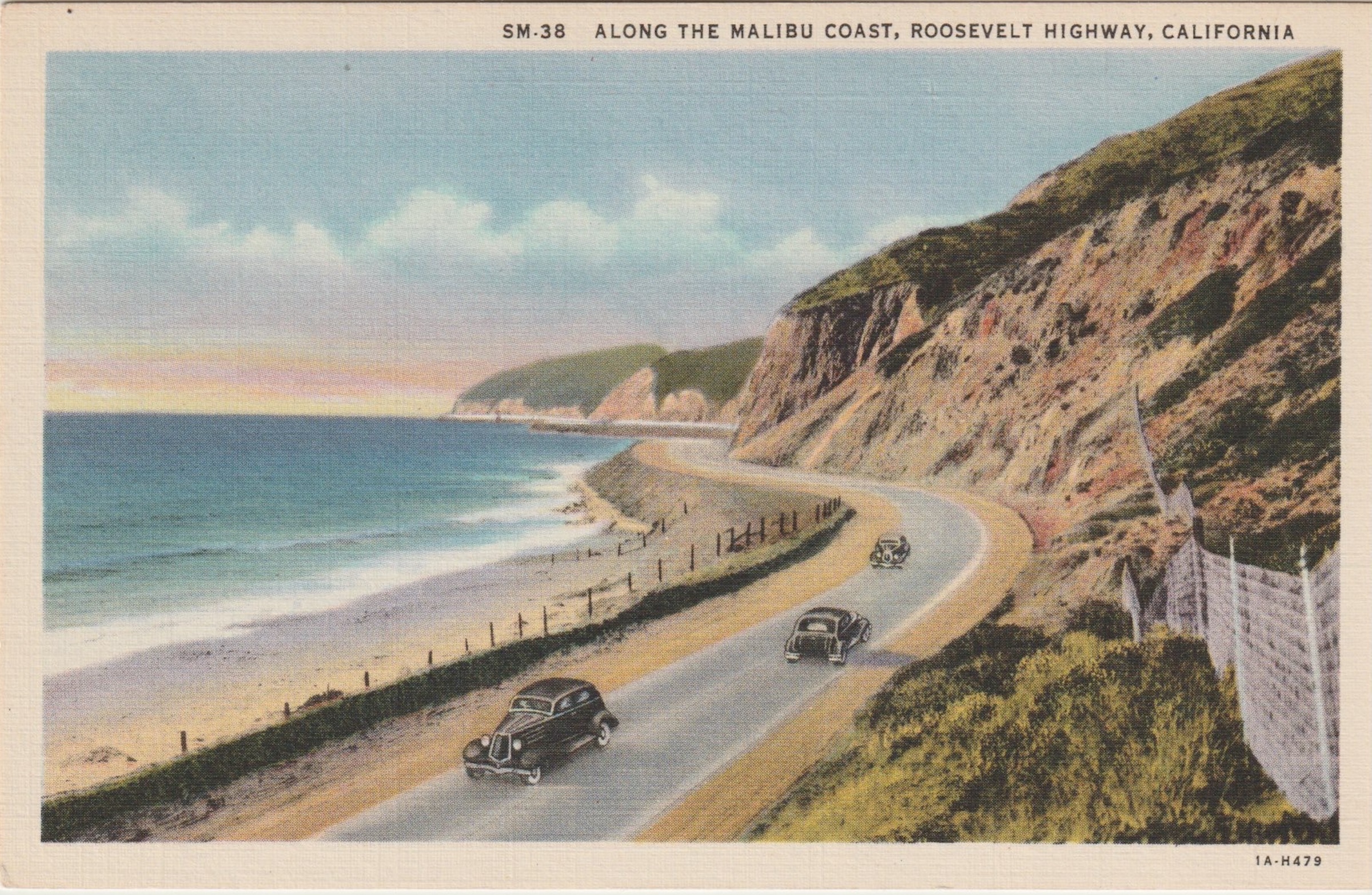
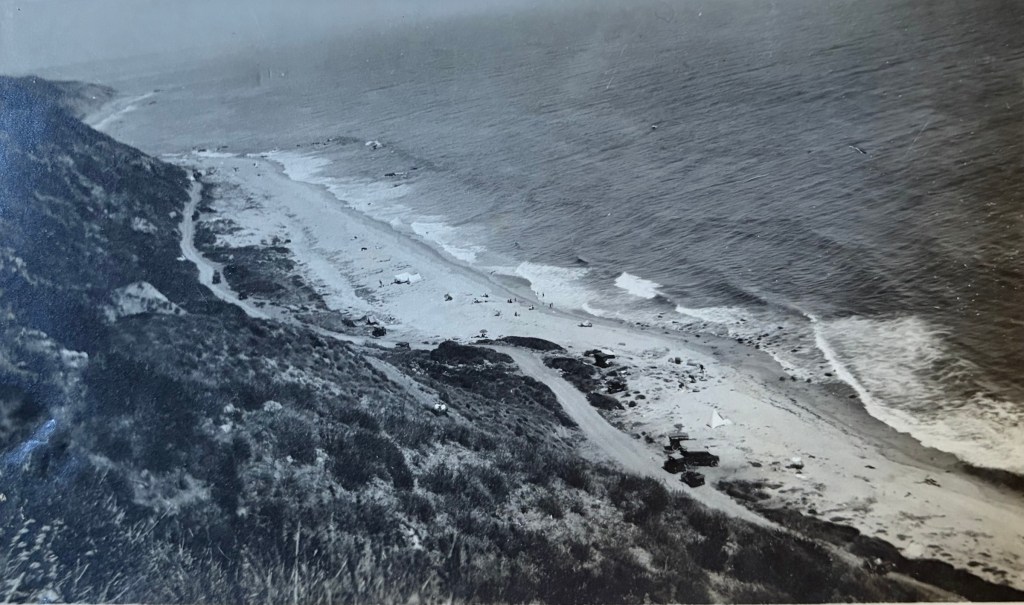
The gates of Malibu were thrown open to the public for the first time a hundred years ago. May Knight Rindge,widow of wealthy East Coast business mogul Frederick Hastings Rindge and the owner of the entire Malibu Rancho, lost her lengthy battle with the county over the right of way for the coast highway in 1925. The road began to be built the following year, and this mysterious, forbidden place was suddenly accessible for the first time. The highway would become a lifeline for Malibu and a constant source of problems. It is the route to the beach for millions of Angelenos, one of only two options to get from Los Angeles to Oxnard without going miles out of one’s way, and it is also Malibu’s Main Street. This road is storied and troubled, and its history is complex.
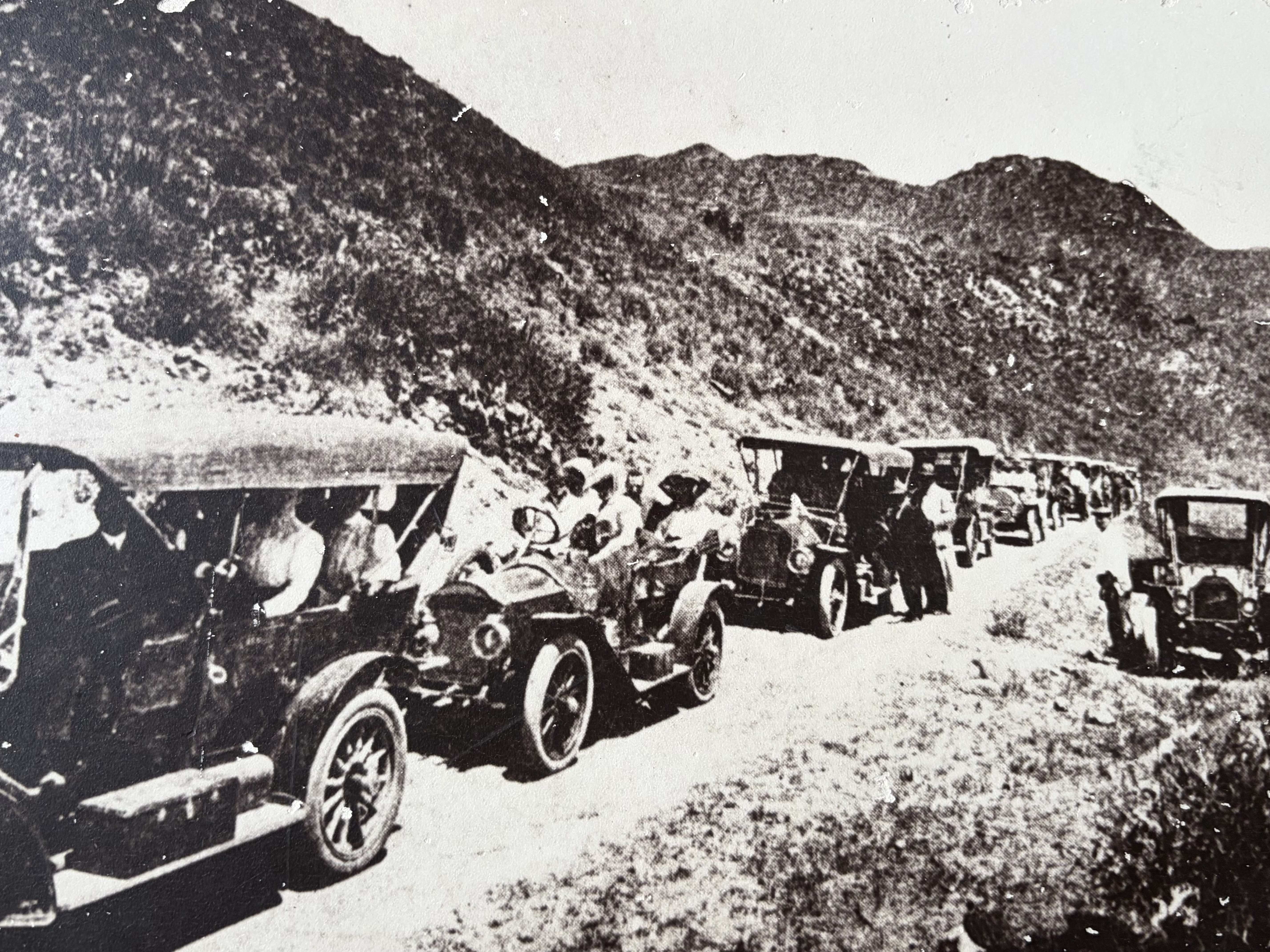
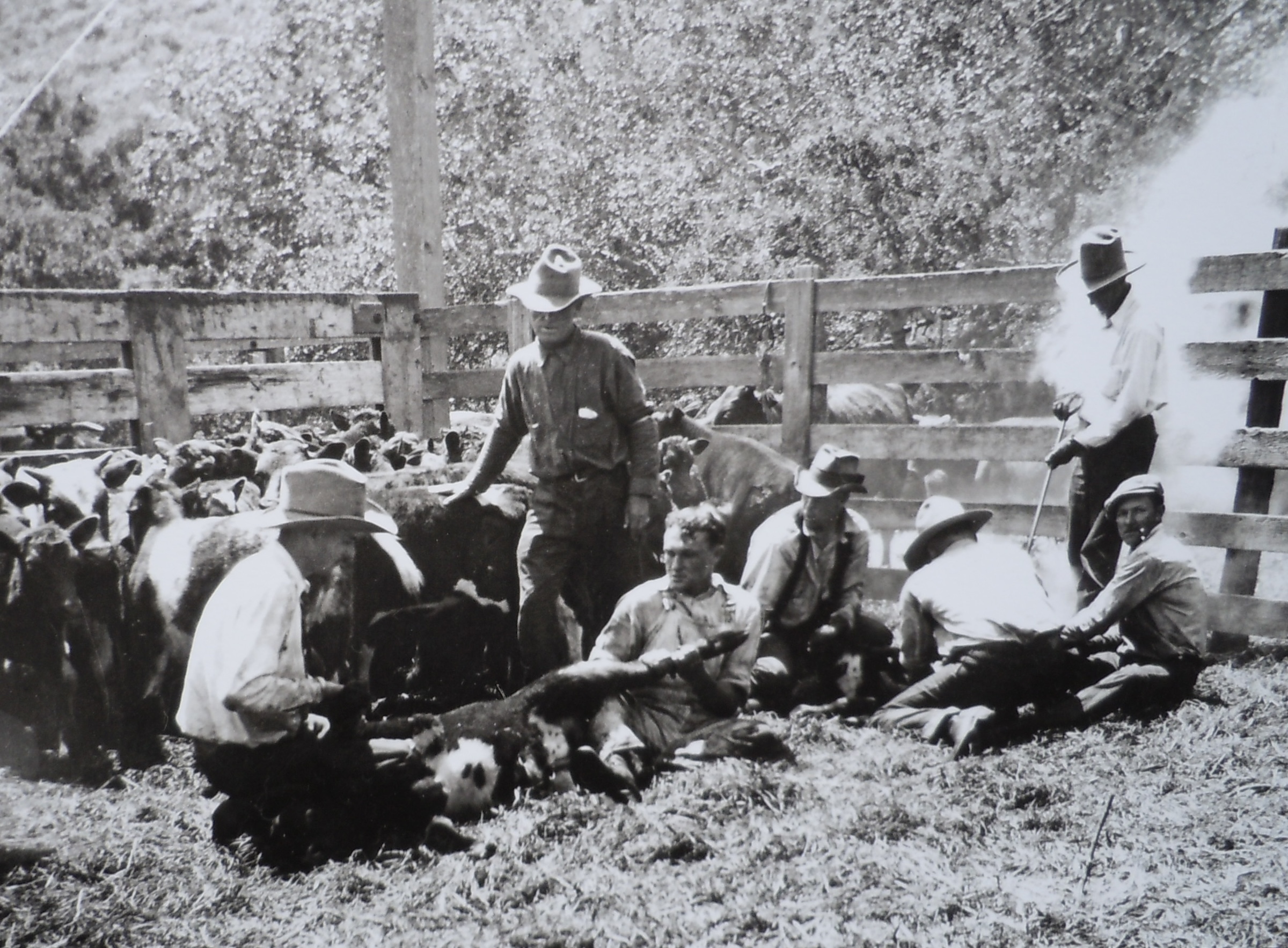
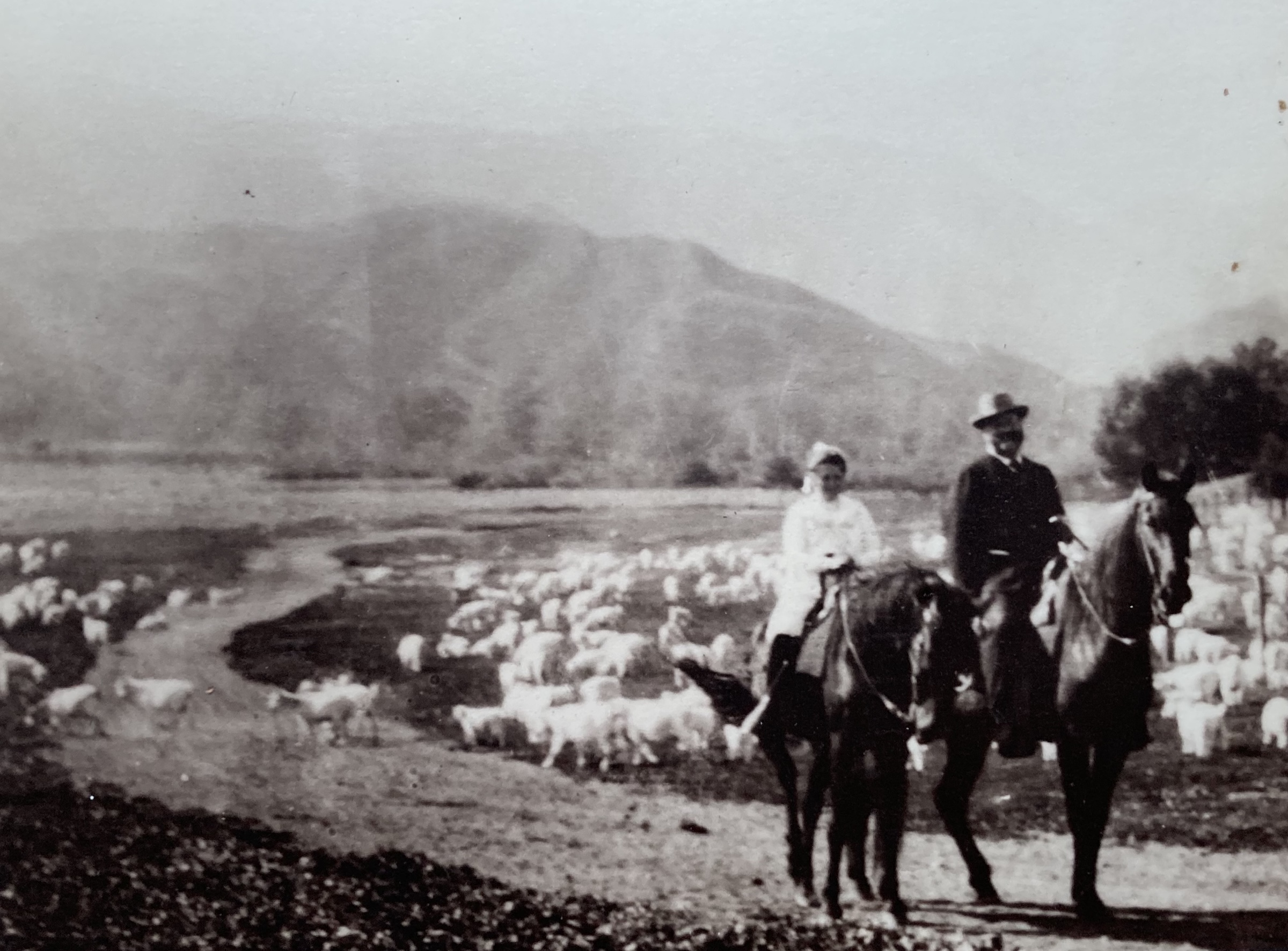
The Road to Malibu traces the evolution of the Pacific Coast Highway from cart track to state highway, but it is also a book about movie stars and filmmakers, cowboys and surfers, railroad tycoons and beach culture. Along the way, we’ll visit forgotten landmarks, a lost city, and the Malibu Colony in the silent movie era, and take a behind-the-scenes look at life on the Malibu Rancho when it was off limits to the world.
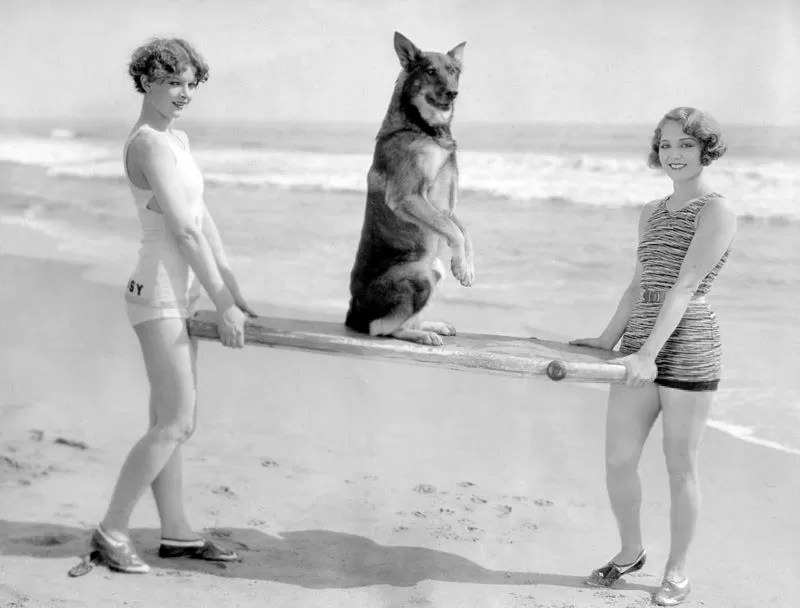
There are some detours here as well—to the pleasure piers of Santa Monica and Venice, and to Hawai‘i and South Africa and Australia for a surfing trip—but the road is the thread that ties most of the elements of this book together. Without it, there would be no Malibu surf or beach culture. No one loves the highway. It is dangerous and sometimes deadly, and it is inconvenient and frequently overloaded, but without it there wouldn’t be a Malibu—at least, not this Malibu.
In 1908, Santa Monica historian Luther Ingersoll wrote: “The Malibu grant, with its almost impassable mountain ranges ex-tending into the very ocean, its inaccessible canyons, its hidden mesas and wildernesses, has always been a land of mystery and many romantic stories of smuggling, of buried treasure, or robbery and murder have been connected with it.”
The essays in this book were written over the course of about ten years. Things have changed in that time. Malibu is a perpetually shifting landscape. Not even Malibu Rancho owner May Knight Rindge’s stubborn determination could change that. No matter what humans build here, or dream of, or do, Malibu remains at heart wild and unpredictable. Nature is the ruling force. What the history presented in this book shows over and over again is that people and the things they build come and go, swept from memory by fire, and flood, and the relentless action of the ocean, or by the next wave of human activity.
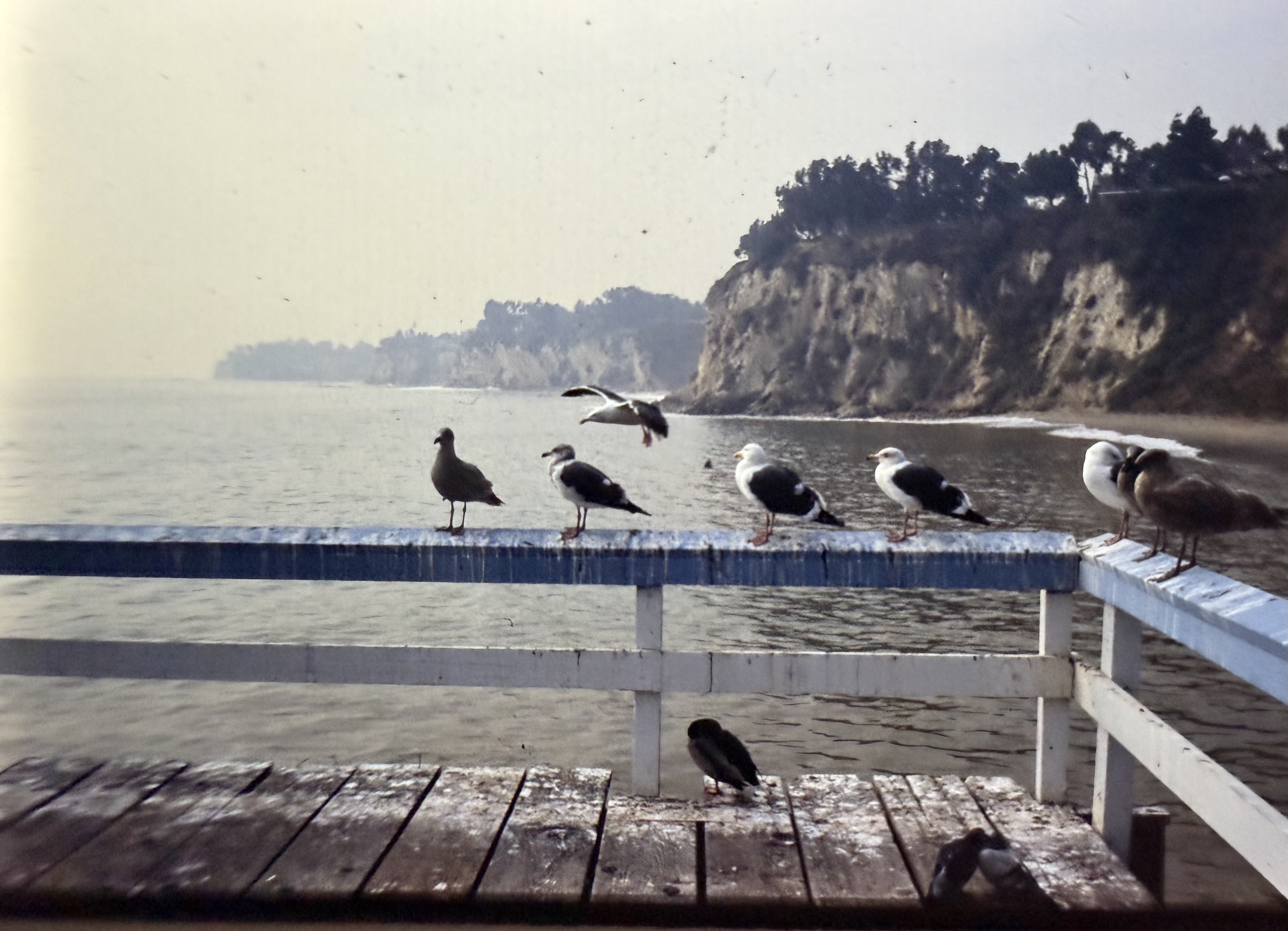
Malibu was still the Wild West when that description was written. More than a hundred years later, beneath the veneer of luxury homes and the glitter of celebrity lifestyles, the beating heart of this community is still wild. We have mountain lions in the garden; dolphins and sometimes great white sharks in the surf break; wildfire infernos with the devastating impact of a volcano; ocean waves with the power to wear down rock and devour houses; and tranquil mornings when the fog rolls in and wraps the coast in silent serenity.
All the beauties and joys of the Malibu coast are shaped and tempered by change. Not even the mountains remain the same—this is a young range that is still growing. Fires, floods, and landslides are as much a part of life here as sun and surf. It’s the dark side of the California dream, but the dream is still worth dreaming.
—Suzanne Guldimann
Malibu, California


Leave a Reply